

This guide walks you through a beginner-friendly, small-space approach: where to put plants, what containers to use, which soil works best, what to grow first, and how to keep everything alive without overthinking it.
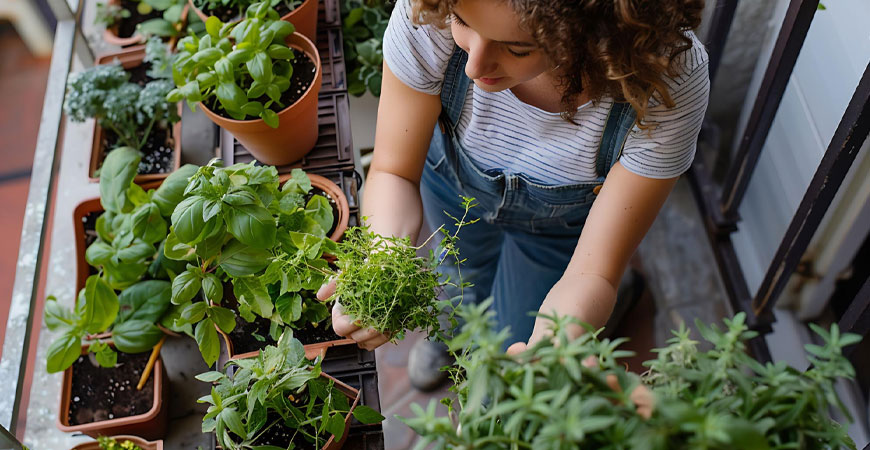
Quick takeaway: You don’t need a yard to garden. You need (1) light, (2) a container with drainage, (3) the right potting mix, and (4) a simple watering routine. Start small, pick “easy win” plants, and you’ll be harvesting (or at least thriving) fast.
Starting an apartment garden is one of those things that looks “Pinterest-perfect”… until you realize you don’t have a yard, your window faces the wrong direction, and your first basil plant turns into a crispy science experiment. The good news: apartment gardening is very doable when you focus on the basics and keep your setup simple.
This guide walks you through a beginner-friendly, small-space approach: where to put plants, what containers to use, which soil works best, what to grow first, and how to keep everything alive without overthinking it.
Light is the #1 success factor in indoor apartment gardening. Before you buy anything, figure out what kind of light you actually have.
If you can comfortably read a book near the window in daytime without turning on a lamp, you likely have enough light for many beginner plants.
If your apartment does not get much natural light, do not panic. Many people grow herbs and leafy greens successfully with a basic grow light. (We will cover that later in a dedicated grow light guide.)
In small spaces, containers are your garden beds. The best beginner containers do two things: they drain well and fit your space.
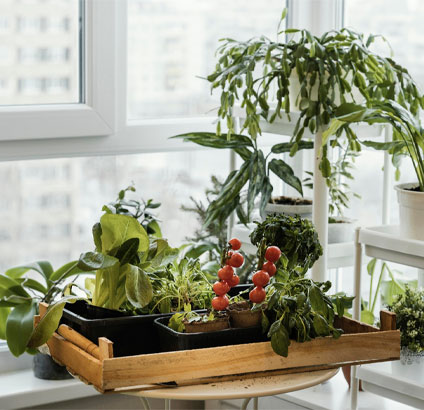
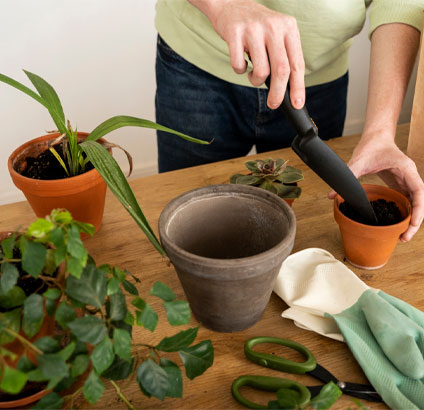
The fastest way to frustrate yourself is using “dirt from outside” in pots. Container plants need a potting mix that drains well and holds some moisture—regular ground soil compacts and suffocates roots.
If you want a simple upgrade, mix in a little perlite (for airflow) or compost (for nutrients). But you do not need a chemistry degree—basic potting mix works great for most beginners.
Pick plants that match your light and your schedule. The best beginner apartment garden plants are fast, forgiving, and useful (so you stay motivated).
Most beginner plant problems come from watering—usually too often. The goal is simple: water deeply, then let the top layer dry slightly before watering again.
Potting mix contains some nutrients, but container plants eventually need a refill. Keep it simple: use a gentle, balanced fertilizer at a light dose during active growth.
A “no-stress” routine keeps your apartment garden from turning into a guilt project. Here’s a simple weekly plan that takes about 10 minutes.
Often caused by overwatering or poor drainage. Let soil dry a bit more between waterings and make sure the pot has drainage holes.
This usually means not enough light. Move closer to a brighter window or add a grow light.
Fungus gnats love constantly damp soil. Let the top inch dry out more, and consider bottom watering for a while.
Here is a simple checklist so you can get started on a limited budget.
Yes, especially herbs and leafy greens. If you have strong light (or a grow light), you can also grow cherry tomatoes and peppers in containers.
Choose low-light tolerant houseplants (like pothos or snake plants), or use a basic grow light for edible plants.
No, the most important features are drainage holes and a saucer. Many beginners succeed with simple plastic pots placed inside decorative cachepots.

Comments